
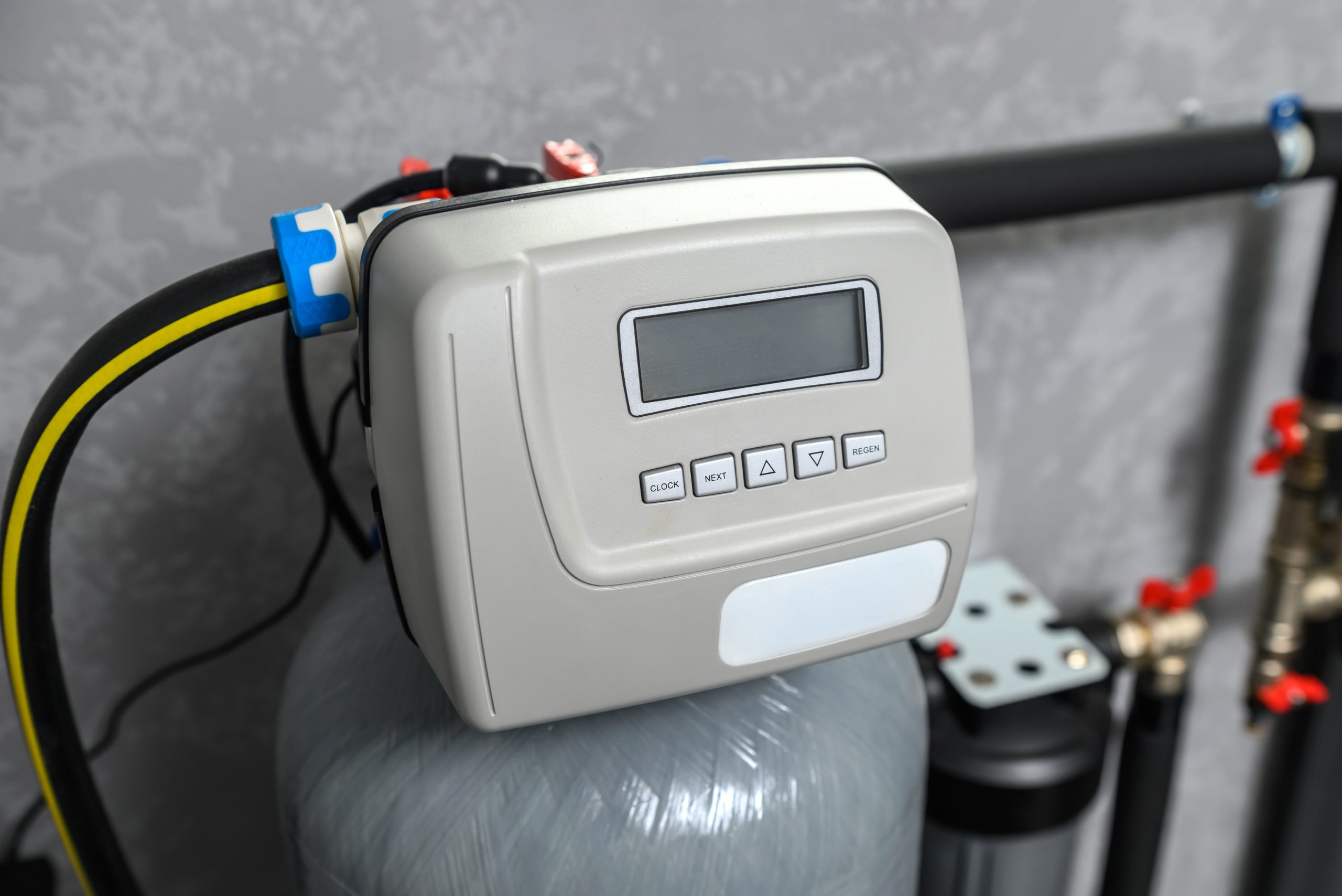
If your dishes are coming out of the dishwasher with white spots, your shower doors are covered in mineral buildup, or your skin feels dry after every shower, your water softener may not be doing its job.
Many homeowners don’t realize their water softener has stopped working until they begin noticing the effects of Arizona’s notoriously hard water throughout their home. A malfunctioning system can lead to scale buildup inside plumbing fixtures, reduced appliance efficiency, and unnecessary wear on your home’s plumbing.
While some issues have simple solutions, others require professional diagnosis and repair. Knowing the signs of a failing water softener can help you address the problem before it leads to more costly repairs.
How Can You Tell if Your Water Softener is Not Working?
A properly functioning water softener removes excess minerals like calcium and magnesium from your water supply. When the system stops working, those minerals begin making their way back into your home’s plumbing.
Here are some of the most common signs your water softener may need attention.
Mineral Spots on Dishes and Glassware
One of the first things homeowners notice is cloudy glassware or white spots on dishes after they come out of the dishwasher. These deposits are caused by hard water minerals that your water softener should be removing.
If you’ve suddenly noticed spotting after previously having clear dishes, your water softener could be the cause.
Soap Doesn’t Lather Like It Used To
Hard water makes it difficult for soap and shampoo to create a rich lather. You may find yourself using more soap than usual while still feeling like it isn’t rinsing away completely.
If your soap suddenly seems less effective, your water softener may no longer be treating the water properly.
Dry Skin and Dull Hair
Arizona’s naturally hard water can leave mineral residue on your skin and hair.
Many homeowners notice:
- Dry, itchy skin
- Hair that feels dull or brittle
- Soap residue after showering
If these issues seem to appear gradually, it’s worth checking whether your water softener is still functioning properly.
Scale Buildup Around Faucets and Fixtures
White or chalky buildup around faucets, showerheads, and sink fixtures is another common warning sign.
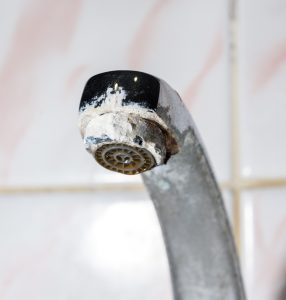
These mineral deposits don’t just affect appearance. They can also restrict water flow over time and shorten the lifespan of plumbing fixtures.
Your Water Heater Isn’t Performing as Well
Hard water minerals collect inside water heaters over time, reducing efficiency and increasing energy costs.
If your water heater seems to be taking longer to produce hot water or making popping or rumbling noises, untreated hard water may be contributing to the problem.
What Causes a Water Softener to Stop Working?
Water softeners are reliable systems, but like any plumbing equipment, they require occasional maintenance and repairs. Several issues can prevent them from operating correctly.
Low Salt or a Salt Bridge
The most common problem is also one of the easiest to fix.
Water softeners rely on salt to regenerate the resin beads that remove hardness minerals from your water. If the brine tank runs low or develops what’s known as a salt bridge, a hardened layer of salt that prevents proper regeneration, the system can’t soften your water effectively.
Checking the salt level periodically is one of the simplest ways to keep your system operating properly.
Dirty Resin Bed
Inside every water softener is a resin bed that captures calcium and magnesium.
Over time, the resin can become fouled by iron, sediment, or other contaminants, reducing its ability to soften water efficiently.
In some cases, the resin can be cleaned. In others, it may need to be replaced depending on the age of the system.
Clogged Injector or Venturi Valve
Water softeners contain small components that help draw brine into the system during regeneration.
If these become clogged with sediment or mineral buildup, the system may stop regenerating correctly.
Because these parts are relatively small and delicate, cleaning them is often best left to a plumbing professional.
Incorrect Settings
Power outages, accidental adjustments, or system resets can sometimes change the programming on your water softener.
If regeneration cycles aren’t occurring at the proper intervals, your system may appear to be failing even though it simply needs to be reprogrammed.
Aging Components
Like any household appliance, water softeners don’t last forever.
Depending on water quality, usage, and maintenance, many systems last between 10 and 15 years. As components wear out, repairs may become more frequent, making replacement the more cost-effective option.
Can You Fix a Water Softener Yourself?
There are a few basic troubleshooting steps homeowners can safely perform before calling a plumber.
You can:
- Check that the salt level is adequate.
- Look for a salt bridge inside the brine tank.
- Make sure the bypass valve hasn’t been accidentally activated.
- Verify the system has power.
- Review the display for error codes.
If these simple checks don’t solve the problem, it’s usually time for a professional inspection.
Attempting to disassemble valves, control heads, or internal components without the proper tools can often create additional problems or damage the system.
When Is It Time to Call a Plumber?
While some water softener issues have simple fixes, others require professional diagnosis and repair. If you’ve checked the basics and your water still feels hard, it’s time to have the system inspected.
Consider calling a plumber if you notice:
- Your water still feels hard after adding salt or completing a regeneration cycle.
- Mineral spots continue appearing on dishes and fixtures.
- The system is leaking or you notice water around the unit.
- Your water softener is making unusual noises.
- The control panel is displaying error codes.
- Your water heater or other appliances are beginning to show signs of excessive scale buildup.
An experienced plumber can determine whether the issue is a simple repair, a maintenance concern, or a sign that the system has reached the end of its lifespan.
Can Hard Water Damage Your Plumbing?
Many homeowners think hard water is simply an inconvenience, but over time, it can take a real toll on your plumbing system.
As calcium and magnesium build up inside pipes and fixtures, they gradually restrict water flow and force appliances to work harder than they should. While this doesn’t happen overnight, years of untreated hard water can contribute to expensive plumbing repairs.
A properly functioning water softener helps protect:
- Water heaters
- Faucets and showerheads
- Dishwashers
- Washing machines
- Plumbing fixtures
- Interior plumbing pipes
Because Arizona has some of the hardest water in the country, keeping your water softener operating properly is one of the best ways to help protect your home’s plumbing investment.
Should You Repair or Replace Your Water Softener?
The answer depends on the age of the system and the type of problem you’re experiencing.
If your water softener is relatively new and the issue is caused by a clogged injector, worn seal, programming error, or salt bridge, a repair is often all that’s needed.
However, replacement may be the better long-term solution if:
- The system is more than 10–15 years old.
- Repairs have become frequent.
- Replacement parts are difficult to find.
- The unit no longer softens water efficiently.
- You’re looking for a more energy-efficient or higher-capacity system.
A professional inspection can help determine which option provides the best value for your home and your budget.
Keep Your Water Softener Working Properly
Routine maintenance goes a long way toward extending the life of your water softener and keeping Arizona’s hard water from causing unnecessary plumbing problems.
A few simple habits can make a big difference:
- Check the salt level regularly.
- Use the correct type of salt recommended for your system.
- Clean the brine tank as recommended by the manufacturer.
- Replace filters when applicable.
- Schedule periodic inspections if your system is older or you’re noticing changes in water quality.
Staying ahead of small issues can help prevent larger repairs while protecting your plumbing fixtures and appliances from mineral buildup.
Trust RAD Plumbing With Your Water Softener
When your water softener isn’t working properly, it’s more than just an inconvenience. Hard water can affect everything from your morning shower to the lifespan of your plumbing system and appliances.
At RAD Plumbing, we help homeowners throughout the Greater Phoenix area diagnose water softener issues, recommend practical solutions, and perform reliable repairs and installations. Whether your system needs routine maintenance, a simple repair, or it’s time for a replacement, our experienced team is here to help.
If you’ve started noticing the signs of hard water again, don’t wait until mineral buildup leads to more expensive plumbing problems.
Contact RAD Plumbing today to schedule an inspection and restore the clean, softened water your home depends on.
Frequently Asked Questions
Why is my water softener not softening my water?
A water softener may stop softening water because of low salt levels, a salt bridge, clogged internal components, incorrect settings, worn resin, or mechanical failure. If basic troubleshooting doesn’t solve the issue, a professional inspection can identify the underlying cause.
How often should a water softener be serviced?
Most water softeners benefit from routine maintenance every year. Regular inspections can help identify worn components, clean the system, and ensure it’s operating efficiently, especially in areas like Arizona where hard water is common.
How long does a water softener typically last?
With proper maintenance, many water softeners last between 10 and 15 years. Water quality, usage, and regular upkeep all play a role in the lifespan of the system.
Can hard water damage my plumbing?
Yes. Over time, hard water minerals can build up inside pipes, fixtures, and appliances. This scale buildup can reduce efficiency, restrict water flow, and contribute to costly plumbing repairs if left untreated.
Should I repair or replace my water softener?
If your system is relatively new, repairs are often the most cost-effective solution. If it’s older, requires frequent repairs, or no longer softens water effectively, replacing the unit may provide better long-term value.

Author: Rob Radcliff
Rob Radcliff, founder and CEO of Rad Plumbing, has been serving the Greater Phoenix area with exceptional plumbing services for over two decades.
