
You are already paying for a home inspection, possibly a roof inspection, and maybe a few other add-ons. Now someone has suggested putting a camera through the sewer line, and you are wondering whether it is really necessary.
Here is the straight answer from a plumber: in most cases, yes, getting a sewer camera inspection before buying a house is a smart decision.
A home can have clean bathrooms, working faucets, and drains that appear to flow normally while still having a serious problem farther down the sewer line. Once you own the house, that problem becomes yours.
A sewer scope gives you a look at a part of the property that a normal walk-through cannot show you. If the line is clear and in good condition, you get useful peace of mind. If there is a problem, you have a chance to understand it before closing.
What Is a Sewer Camera Inspection?
A sewer camera inspection, also called a sewer scope, is a visual inspection of the main drain or sewer line.
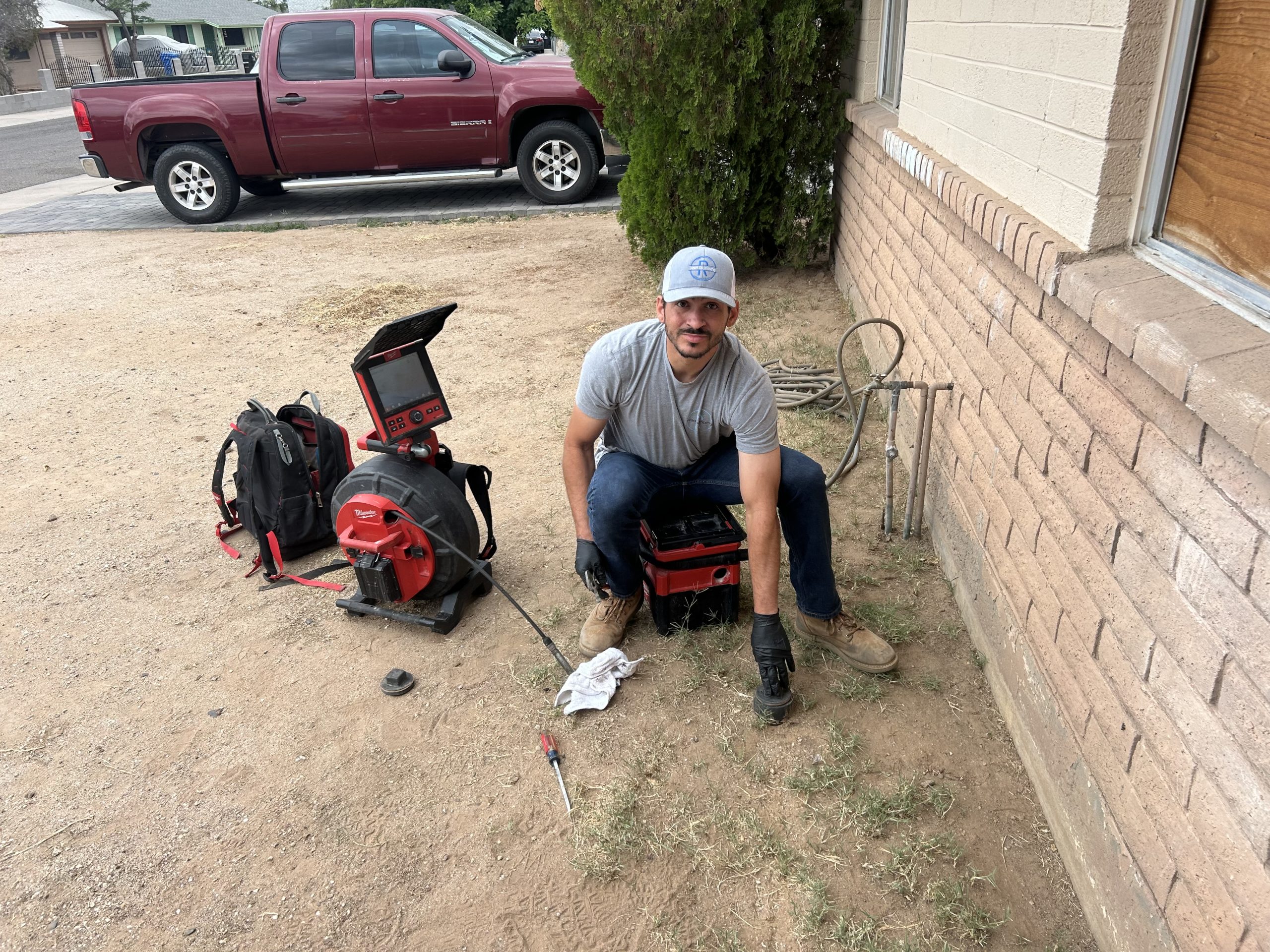
A plumber feeds a flexible cable with a specialized camera into an accessible opening in the plumbing system. As the camera travels through the line, it sends live video to a monitor. This allows the plumber to examine the inside of the pipe without digging up the yard or opening the floor.
Depending on access and pipe conditions, the camera may reveal:
- Tree root intrusion
- Cracks or broken sections of pipe
- Offset or separated joints
- Corrosion and deterioration
- Heavy buildup
- Foreign objects
- Standing water
- Low areas in the line
- Pipe material and visible transitions
- Signs that part of the line has collapsed
The inspection is meant to show you the visible condition of the line. It does not guarantee that every part of the plumbing system is perfect, and the view can sometimes be limited by standing water, heavy buildup, or a complete blockage. A good plumber should explain any limitations and tell you whether cleaning or additional evaluation is needed.
Is the Sewer Line Included in a Regular Home Inspection?
Usually, no.
A general home inspector may run faucets, flush toilets, and watch how the fixtures drain. That can reveal obvious symptoms inside the home, but it does not provide a clear view of the buried sewer line.
A line can carry water during a short fixture test and still have roots, cracks, buildup, or a damaged connection farther downstream. That is why a home can appear to drain properly on inspection day and back up after the buyer moves in.
A sewer camera inspection is a separate, more focused evaluation performed with equipment designed to inspect the inside of the pipe.
The Arizona Department of Real Estate’s buyer guidance also encourages buyers to verify sewer information through the appropriate professionals instead of relying only on listing information.
Is a Sewer Scope Worth It Before Buying a House?
A sewer scope is especially worth considering when the condition of the line could affect your decision to purchase the home.
That does not mean every inspection will uncover a disaster. In many cases, the plumber finds a functioning line with no immediate concern. That is still valuable information.
The inspection becomes even more important when:
- The home is older
- Mature trees are near the sewer route
- The property has had recurring drain problems
- Multiple drains are slow
- The home has been vacant
- The house was recently remodeled
- The seller has limited information about the plumbing
- Part of the sewer line runs beneath concrete or finished areas
- There are signs of previous sewer repairs
- You notice sewage odors, gurgling, or unusual drain behavior
Here in the Valley, buyers often focus on the air conditioner, roof, and water heater. Those systems deserve attention, but the sewer line can also become a major expense if a buried problem is discovered after closing.
Should Older Arizona Homes Always Get a Sewer Scope?
Age alone does not tell us the condition of a sewer line, but it does increase the number of questions we want answered.
Many established neighborhoods in Mesa, Phoenix, Tempe, Scottsdale, and nearby communities contain homes that have been standing for several decades. Over the years, sewer lines may experience soil movement, root intrusion, corrosion, joint separation, or previous repairs that were never fully documented.
The pipe may also change materials along its route. A newer section near the house does not necessarily mean the entire run to the municipal connection was replaced.
If you are buying an older home, a sewer scope can help determine what material is visible, whether the line appears to be flowing correctly, and whether there are conditions that deserve a closer look.
What About a Newer Home or New Construction?
Newer does not automatically mean problem-free.
A new sewer line is less likely to have age-related deterioration, but installation problems and construction debris can still occur. The line may have an improper slope, a damaged fitting, an offset connection, or material left behind during construction.
A recently remodeled home also deserves attention. Fresh flooring, new cabinets, and updated bathrooms tell you very little about the underground plumbing. If the seller says the sewer line was replaced, ask for invoices, permits, warranties, and information about exactly which portion was replaced.
A camera inspection can help verify the visible condition instead of relying entirely on the phrase “new plumbing” in a listing.
What Can a Sewer Inspection Find?
The importance of a finding depends on what the camera shows, where it appears, and whether it is affecting the line.
Tree roots
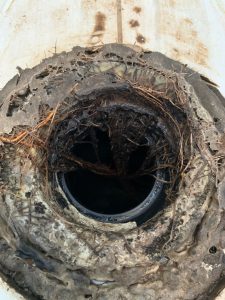
Roots can enter through small openings at pipe joints or damaged areas. Once inside, they can catch waste and continue growing. Cutting roots may restore flow temporarily, but the underlying entry point still needs to be evaluated.
Cracks and broken pipe
A visible crack does not always tell us how quickly the pipe will fail, but it should not be ignored. The plumber will consider the pipe material, crack location, severity, and surrounding conditions.
Offset joints
Pipe sections can shift so they no longer line up correctly. A minor offset may continue functioning, while a severe offset can restrict flow or allow soil and roots into the line.
Standing water
Water sitting in part of the pipe may indicate a low spot, sometimes called a belly. The significance depends on how much water is present, how long the affected area is, and whether waste is collecting there.
Heavy buildup or blockage
Grease, scale, debris, roots, and foreign objects can limit the camera’s view. If the plumber cannot see the pipe clearly, the line may need to be cleaned before its condition can be evaluated properly.
Deteriorated pipe
Older pipe materials may show corrosion, rough interior surfaces, deformation, or other visible deterioration. These conditions can increase the likelihood of recurring clogs or future failure.
When Should You Schedule the Inspection?
Schedule the sewer camera inspection as early as possible during your inspection period.
Do not wait until the day before closing. If the plumber finds a problem, you may need time to:
- Review the video and findings
- Obtain a repair recommendation
- Request a second opinion
- Get an estimate
- Discuss the results with your real estate agent
- Review your options under the purchase contract
The inspection itself may be straightforward, but understanding a significant finding can take additional time.
Your plumber can explain the plumbing condition. Questions about negotiations, seller responsibilities, or contract deadlines should be discussed with your real estate professional.
What Should You Receive After the Inspection?
Before scheduling, ask what is included.
A useful sewer inspection should leave you with more than a quick statement that the pipe “looks okay.” Depending on the service and the conditions found, you may receive:
- A video recording or images
- An explanation of the visible pipe material
- The approximate distance to an observed problem
- A description of roots, damage, buildup, or standing water
- An explanation of any areas the camera could not inspect
- Recommendations for cleaning, repair, or further evaluation
- A surface location when repair planning requires one
Rad Plumbing’s camera inspection process includes evaluating the footage, documenting visible concerns, and explaining the findings and recommended next steps.
What Happens If the Inspection Finds a Problem?
Finding a defect does not automatically mean you should walk away from the house.
The next step is to determine what was actually found and what it means. A small amount of buildup is different from a collapsed line. Minor root intrusion is different from a pipe that has separated or lost its shape.
Ask the plumber:
- What exactly is visible?
- Where is it located?
- Is it affecting flow now?
- Is cleaning likely to solve the problem?
- Does the pipe need repair or replacement?
- How urgent is the work?
- Was the entire accessible line inspected?
- Are there any limitations in the footage?
Once you understand the plumbing issue, you can discuss the purchase decision and any potential negotiations with your real estate agent.
Do not rely on a repair estimate that is based only on a vague description. The video, location, access requirements, pipe material, and extent of damage all matter.
Who Is Responsible for the Sewer Line?
Responsibility depends on the property and where the problem is located.
For many single-family homes, the homeowner is responsible for at least part of the line running from the house toward the municipal sewer. Exact responsibility can vary, particularly when the defect is near a property boundary or public right of way.
For a condo or townhome, the answer may depend on the association documents and whether the affected line serves one unit or multiple units. Before ordering an inspection, confirm which sections of the plumbing belong to the unit owner and which are maintained by the association.
A plumber can help locate a visible problem. The utility, municipality, association documents, and property records may be needed to determine responsibility.
Is a Sewer Scope the Same as a Septic Inspection?
No. A sewer scope and a septic inspection are not the same service.
A sewer camera inspection generally examines a drain or sewer line. A septic inspection evaluates an onsite wastewater system, which may include the tank, disposal area, and other components.
If the property uses a septic system, tell the inspector and plumber before scheduling. Arizona has specific transfer-of-ownership inspection requirements for many properties with onsite wastewater systems. A camera inspection of a pipe does not replace a required septic inspection.
Can a Sewer Camera Detect Every Leak?
Not necessarily.
A camera provides a visual inspection of the inside of an accessible pipe. It may show cracks, openings, corrosion, separated joints, or other conditions associated with leakage, but it does not prove that every joint is watertight.
The camera also cannot see through thick buildup, muddy water, or a complete obstruction. If visibility is poor, the plumber may recommend cleaning the line and inspecting it again.
That is why the person interpreting the footage matters just as much as the camera itself.
Should You Attend the Sewer Inspection?
If possible, yes.
You do not need to understand every pipe fitting on the screen. What matters is having the plumber show you any areas of concern and explain them in plain language.
Ask to see:
- Where the camera entered
- How far it traveled
- What type of pipe is visible
- Whether the line was inspected completely
- Where any problem appears to be located
- Whether the finding is minor, uncertain, or serious
If you cannot attend, ask whether the company can provide footage, images, or a clear written summary.
So, Should You Get a Sewer Camera Inspection Before Buying?
For most buyers, especially those purchasing an older home or a property with an uncertain plumbing history, the answer is yes.
You are not ordering the inspection because you expect the sewer to be bad. You are ordering it because you cannot judge the condition of a buried pipe by looking at the sinks and toilets.
If the line is clear, you move forward with better information. If the plumber finds roots, damage, standing water, or a blockage, you can evaluate the issue before the house becomes your responsibility.
That is a much better conversation to have during the inspection period than a few days after moving in with sewage backing up into the house.
Schedule a Sewer Camera Inspection
Buying a home in the Phoenix Metro area? Rad Plumbing can inspect the accessible sewer line, show you what the camera reveals, and explain any visible concerns before you close.
Schedule a professional camera inspection and get a clearer picture of the plumbing system you may soon own.
Frequently Asked Questions

Author: Rob Radcliff
Rob Radcliff, founder and CEO of Rad Plumbing, has been serving the Greater Phoenix area with exceptional plumbing services for over two decades.
